What gloves do I need?

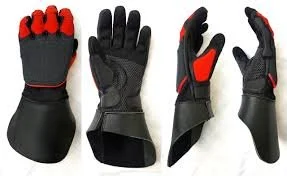
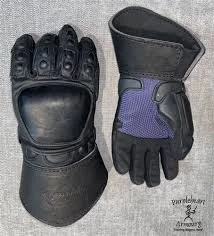
Gloves are highly recommended for foam sparring but required for synthetic and longsword training. Finger injuries are the most common in HEMA / historical fencing but are largely avoidable by wearing proper gloves. We use various levels of equipment dependent on the intensity level. Below well cover “light kit”, “full kit”, and gloves specific to certain weapons.

Light Kit

Light kit is wearing mask, gorget, and gloves. We use light kit when practicing light intensity solo drills or partner compliant drills. Our fundamentals class is all in light kit. The minimum gloves required for light kit are utility gloves (leather, mechanic, motorcycle, etc..) when handling foam trainers, and padded gloves when handling steel or synthetic trainers. The specific gloves will depend on the weapon.

Full Kit

Full kit is mask, gorget, gloves, fencing jacket, joint protection, leg protection (no exposed skin), forearm and shin protection, and groin / chest protection. Full kit is used when we are doing medium intensity drills and non compliant partner drills or sparring. The full protective gloves are required when in full kit, and are constructed of hard plastic, rubber, and foam.

Longsword

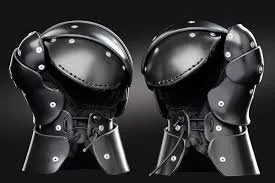
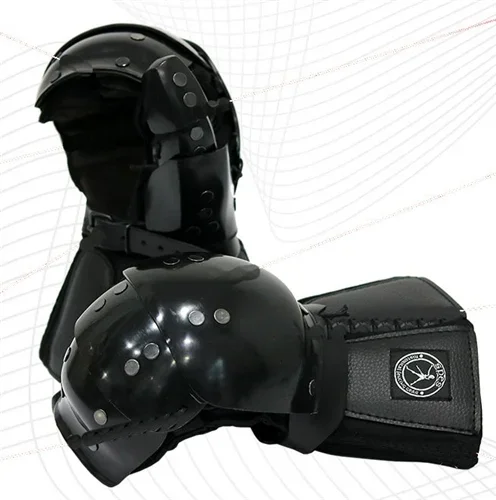
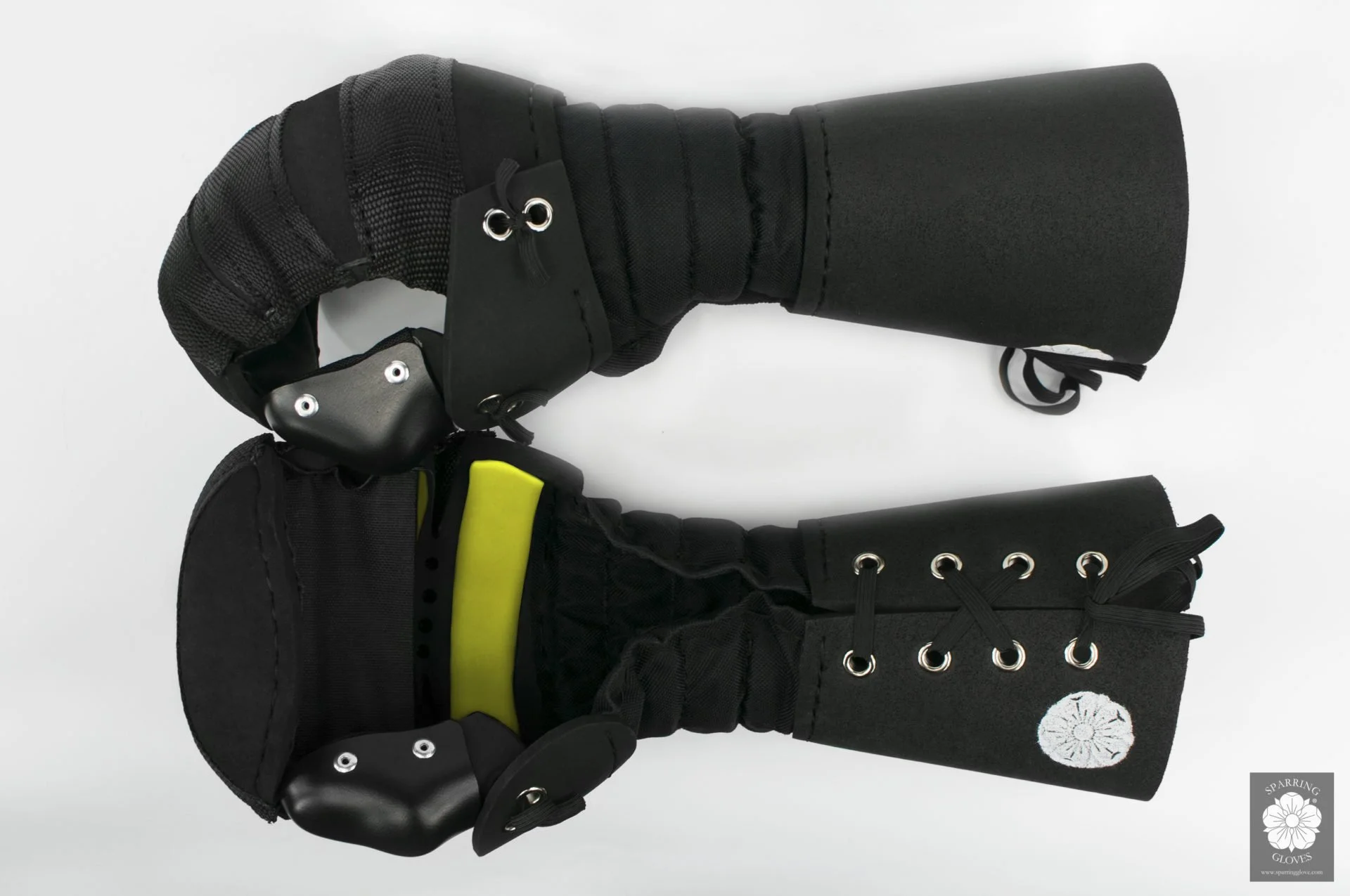
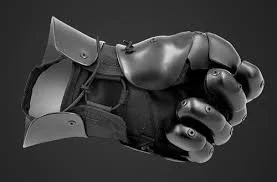
Longsword can be one of the hardest hitting weapons and it doesn’t have much hand protection built into the weapon. So longsword requires the most protective gloves HEMA offers. Our options are; clamshells, mittens, or 5 fingered gauntlets. Clamshells and mittens are the most protective but comes at the cost of finger dexterity. Clamshells and mittens still allow for full use of the weapon but it takes some practice to know how to manipulate the longsword through the different grips. 5 fingered gauntlets are the least protective option but offer higher dexterity. The gloves do not dissipate the force of the blow as much at the clamshells or mittens, so there is still risk of injury. SDS recommends going with clamshells or mittens for longsword use. Here are a few models for longsword gloves that we recommend.

Sidesword & Saber

When it comes to 1-handed weapons, they do hit less hard but they come with the added challenge or requiring more mobility. Sidesword requires that the index finger be placed over the guard, while saber has a bell guard with limited space underneath. There are a few options for gloves on the market but they are more limited than the offerings for longsword. These gloves are not suitable for steel longsword sparring. Here are the models that we recommend for sidesword and saber. Please verify your size before ordering.